
How to Take Your Blood Pressure at Home for Heart Health Month
Learning how to take blood pressure at home is one of the most effective ways to support your heart health. It helps you track your numbers consistently, understand your daily patterns, and work with your healthcare provider. Heart Health Month is an ideal time to start this habit.
Why Accurate Home Readings Matter.
Accurate home readings depend on using a clinically validated monitor, choosing the correct cuff size, and following consistent steps each time. Hypertension Canada recommends using validated monitors because they provide reliable results when used correctly.
Use a Clinically Validated Monitor
Select a monitor that is clinically validated according to Hypertension Canada Guidelines. Validation means the device has been tested using standardized protocols and the results have been published in peer reviewed studies.
Choose the Right Cuff Size
Selecting the correct cuff size is essential for accuracy.
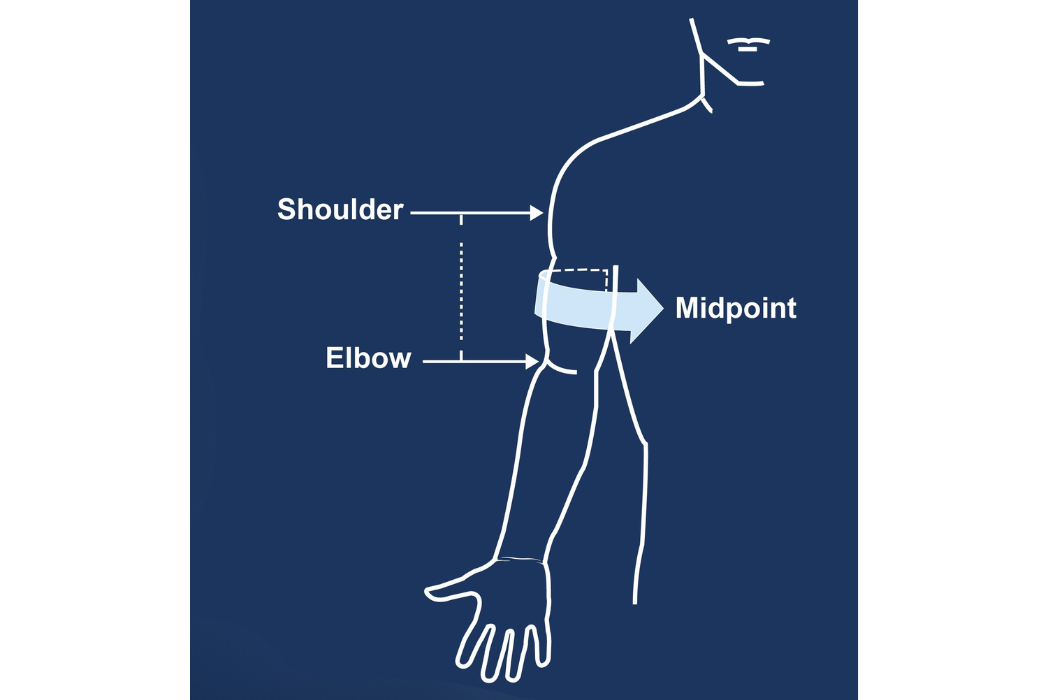
• Measure your upper arm at the midpoint between your shoulder and elbow.
• Compare the measurement to the manufacturer’s sizing chart.
• Compare the measurement to the manufacturer’s sizing chart.
Many Canadian pharmacies can help you choose the right cuff size for your home blood pressure monitor.
Factors That Can Affect Your Blood Pressure
Blood pressure changes naturally during the day. Readings may be influenced by:
• Time of day
• Exercise, caffeine, alcohol, or smoking
• Stress or tension
• Temperature or seasonal changes
• Exercise, caffeine, alcohol, or smoking
• Stress or tension
• Temperature or seasonal changes
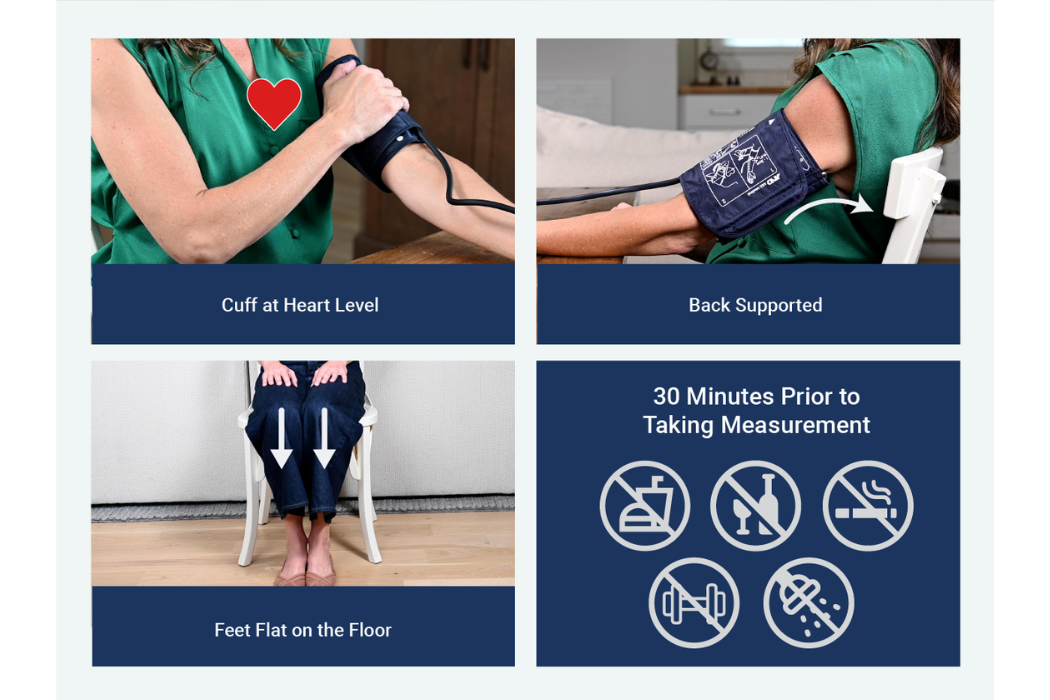
Avoid these factors for thirty minutes before you measure. Sit quietly for five to ten minutes to allow your body to settle.
How to Take Blood Pressure at Home Step by Step
For Upper Arm Monitors
- Sit upright with your feet flat on the floor.
- Place the cuff on your bare upper arm, one and a half centimeters above the elbow.
- Rest your arm on a table so the cuff is at heart level.
- Start the measurement and remain still and silent.
For Wrist Monitors
- Wrap the cuff around the inside of your wrist at the wrist crease.
- Hold your wrist at heart level.
- Start the measurement and stay still during the reading.
Tips for Consistent Home Monitoring
• Measure twice daily.
• Take two or three readings each time, then average them.
• Track your results using a notebook or the A&D Heart Track App.
• Take two or three readings each time, then average them.
• Track your results using a notebook or the A&D Heart Track App.