
Blood Pressure Variability In Remote Patient Monitoring
Blood pressure variability is normal, and it affects every home measurement. Remote patient monitoring programs can reduce unnecessary fluctuations by controlling common sources of measurement inaccuracies. Consistent technique and validated devices help produce more accurate readings that support better clinical decisions.
Why Blood Pressure Readings Change
Blood pressure changes throughout the day because several internal and external factors shift moment by moment. Understanding these sources of variability is the first step in improving accuracy in remote patient monitoring.
Emotional State
Stress or anxiety can temporarily elevate blood pressure and create variability between consecutive readings.
Lifestyle Factors
Diet, caffeine intake, physical activity, and daily stress all influence blood pressure levels. These fluctuations highlight the importance of looking at long term trends rather than isolated readings.
Circadian Rhythms
Blood pressure decreases at night and rises during the day. Consistent measurement times help neutralize these natural daily swings.
Device Choice And Fit
Validated devices, correct cuff size, and proper fit help reduce device related variation. Features such as Irregular Heartbeat (IHB), Movement Detection, Cuff Fit Detection, and Averaging help identify potential issues with data quality.
Measurement Environment
Arm position, posture, room temperature, and even talking during measurement can produce inconsistent results.
Why Consistency Matters In Remote Patient Monitoring
Long term home monitoring provides a more accurate picture of cardiovascular risk than isolated inoffice readings. Variability is expected, but consistent measurement practices reduce unnecessary fluctuation. Standardizing technique and conditions ensures clinicians receive data that reflects true physiological patterns rather than environmental or behavioral noise.
Best Practices To Minimize Blood Pressure Variability
These recommendations help remote patient monitoring programs improve accuracy and reduce noise in patient measurements.
- Select Validated Devices And Correct Cuff Size
-
- Choose devices listed on the Validated Device List (VDL).
-
- Ensure the cuff size matches the patient’s measured arm circumference.
-
- Educate patients on how to apply the cuff correctly. This Cuff Tutorial is a good tool on how to measure and apply the cuff.
-
- Highlight device features that help identify potential measurement errors such as Irregular Heartbeat (IHB), Movement Detection, Cuff Fit Detection, and Averaging.
- Standardize Technique For Every Reading
-
- Use the arm recommended by the clinician.
-
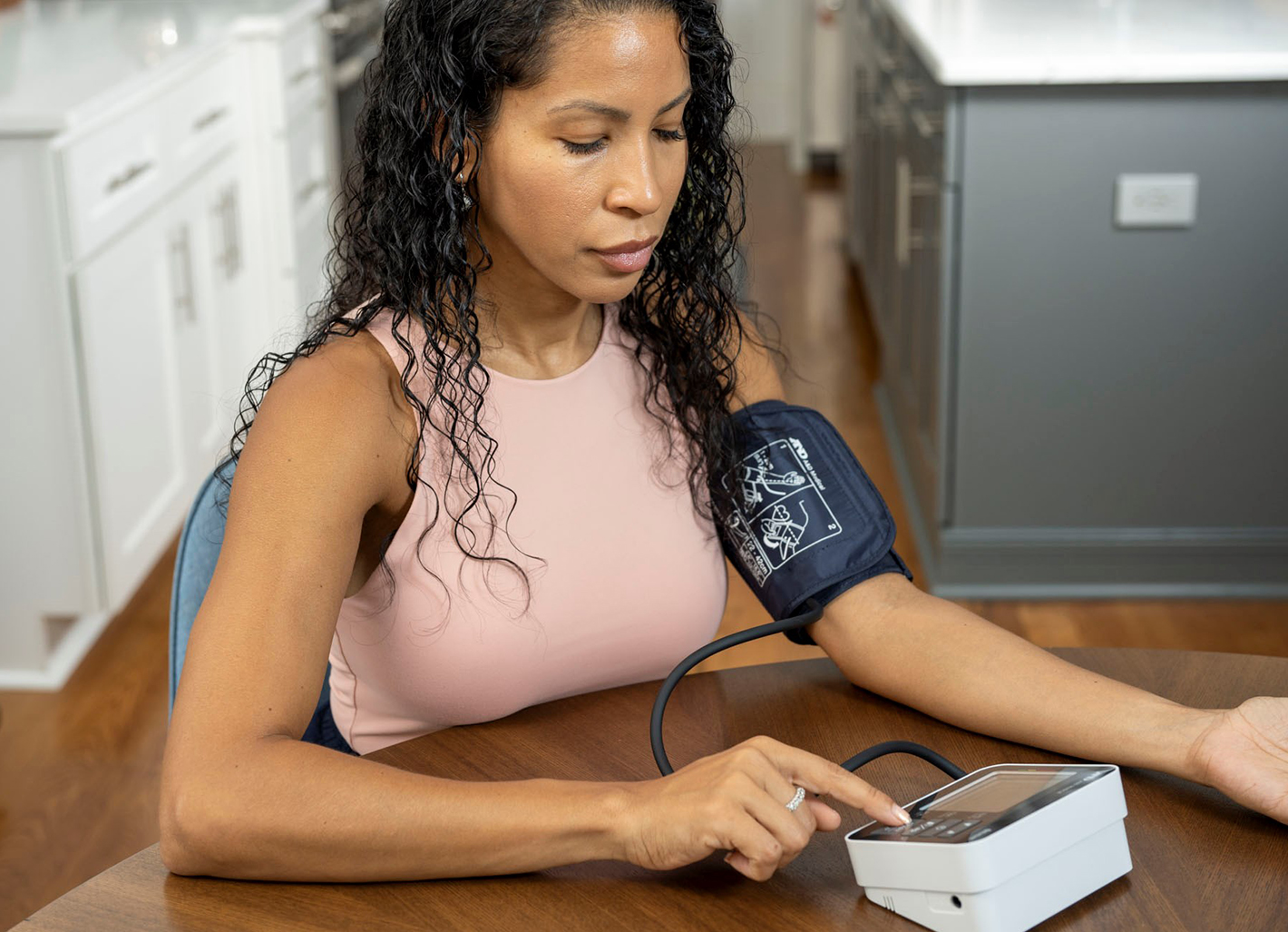
- Sit upright with feet flat, back supported, and arm resting at heart level.
-
- Avoid talking, moving, or crossing legs.
-
- Follow clinician guidance for taking and averaging multiple readings.
- Follow clinician guidance for taking and averaging multiple readings.
- Keep Measurement Conditions Consistent
-
- Take readings at the same time daily.
-
- Rest quietly for five minutes before capturing a measurement.
-
- Avoid smoking, eating, drinking, or exercise for at least thirty minutes beforehand.
-
- Empty the bladder before measuring.
-
- Keep room temperature similar day to day.
- Keep room temperature similar day to day.
This video can be used to educate patients on proper technique.
How RPM Programs Benefit From Reducing Variability
More Reliable Trends
Cleaner and more consistent readings help clinicians detect meaningful changes instead of reacting to normal fluctuations.
Stronger Clinical Confidence
Consistent method reduces false positives, unnecessary alerts, and misinterpretation of short term spikes.
Improved Patient Engagement
Patients learn why readings change and how to control common variables, which builds trust in their data and supports adherence.
Operational Efficiency
Higher quality data reduces retakes and repeated outreach by care teams, improving workflow efficiency.
Conclusion
Blood pressure variability is a normal physiological pattern. For remote patient monitoring organizations and healthcare professionals, the goal is to reduce unnecessary variation by controlling technique, environment, and device accuracy. When these steps are followed, home measurements become more reliable and provide a stronger foundation for clinical decision making.